
What are water footprint? It is the total amount of freshwater available on the Earth used by a person.
The water can be consumed either direct or indirect. Direct water use is when you turn on the water at home. Some examples include watering a garden, and drinking water when I feel thirsty.
Indirect water is needed to produce, grow, or manufacture the items we use every day in our life example cloth, toothbrushes, etc. Think when we take one cup of tea we drink 140 liters of water indirectly.
What is your water footprint?
The total amount of freshwater used by me and other persons or individuals. Water is consumed in direct and indirect ways.
Reduce your water footprint
Reduce your direct water footprint
& Turn off the water while you brush your teeth and save gallons of water in a month.
& Save gallons of water when you control the bath at your home. Maximum house useable water wasted bathing and when you turn on the water or not turn off the water.
$ minimum use of washing machine in your home. You can save water.
$ Use the scientific bathroom and avoid the traditional bathroom. In this process, you can stop the waste of water.
Reduce Your Indirect Water Use
•Indirect water is needed to produce fruits, vegetables, grains much other stuff.
•Visit your local market and watch many other fruits, and vegetables and think about how much water is required to grow fruits and crops vegetables.
Where is the maximum use of water according to a survey only 5% of water is used for Domestic purposes, remaining 95% of water is used for agriculture and industrial purposes.
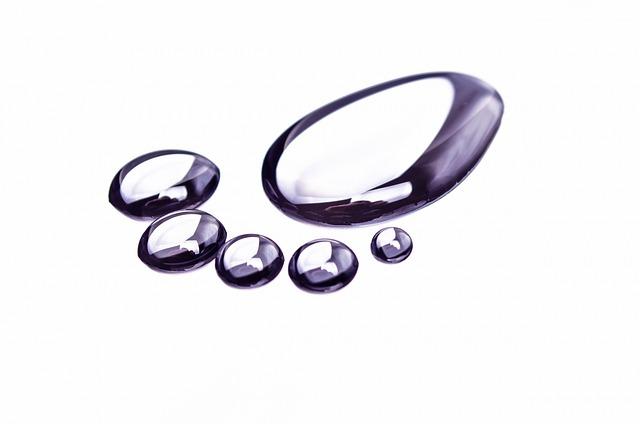
Water footprint in categories Three components
★Blue water footprint
Blue water footprint belongs to the volume of surface and groundwater consumed.
★Green Water footprint
It indicates the volume of rainwater consumed.
★ Green water footprint amount of water adjust pollutant and maintain water quality.
We have the power to reduce our water footprint. According to a survey when you eat one apple you can use 140 liters of water indirectly.
And another survey when we are taking a cup of tea or coffee we have virtually drinking 150 liters of water in a single cup of tea or coffee. In the water footprint, the virtual water concept is very essential because. when we are growing crops, paddy many vegetables we have to see how much water is given.
Even calculated water footprint but virtual water footprint means we have not seen how much water we are using in our domestic and Agriculture forms. we have used but I cannot calculate it properly.
What are examples of water footprints?
Your Water footprint means the amount of water you used in your daily life. Water is used to grow food, whatever you used to eat.
What is a water footprint geography?
The definition of water footprint is the total volume of water consumed by man or agriculture or industry and polluted for the production of the goods and services used by consumers.
What is a water footprint and why is it important?
Amount of water consumption in your daily life, domestic use, agriculture, and industry use. Water footprint means how to use water in your daily life very thankfully. the water footprint is an indicator that measures the volume of fresh water. You can use or waste and how much fresh water.
Propose that all usable water percentage is 100 in this percentage only 5% of what is used in domestic uses 95% of water uses in agriculture and industry. Now a day water conservation is very essential for us because the freshwater percentage is very low. the water footprint is very important for safe water for further use.
What are the benefits of water footprint
★ well understood your water supply chain?
★ save water for future uses.
★ improve your environmental condition.
★ water crisis is the biggest problem now a day, use water very thankful.
What is the goal of the water footprint Network?
The Water Footprint Network is a very important platform for companies, organizations, and individuals to solve the world’s water crises by advancing fair and smart water use.